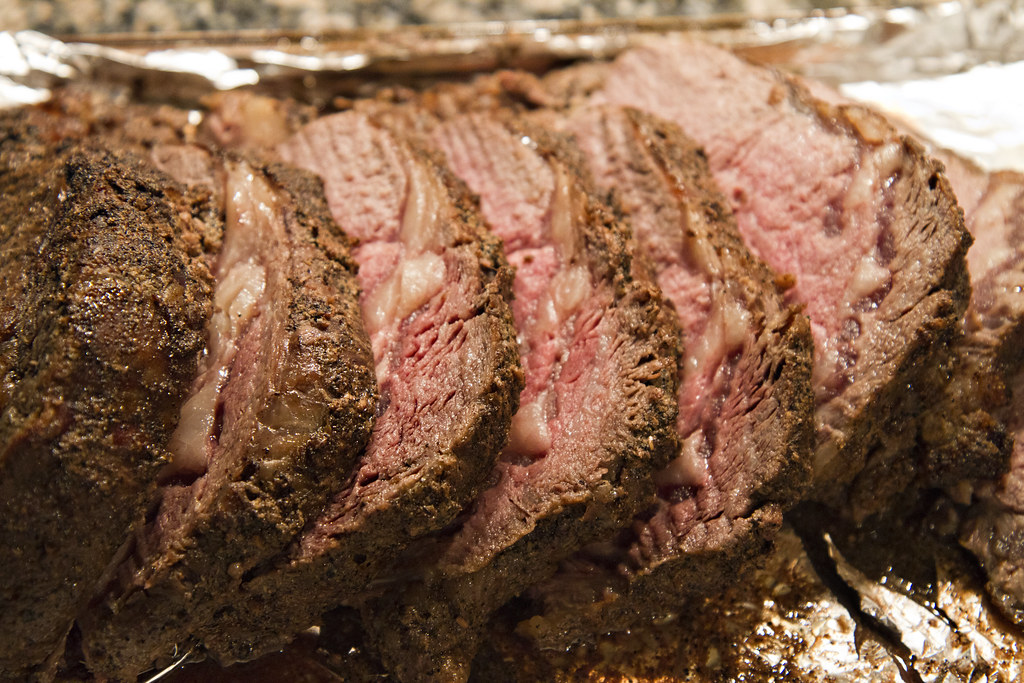
Prepare to embark on a culinary journey that redefines your perception of prime rib with our sous vide method. This extraordinary recipe promises to deliver a prime rib roast like no other – flawlessly cooked to your preferred level of doneness, incredibly juicy, and teeming with rich, savory flavors.
[wptb id=402]The secret?
Sous vide cooking paired with the art of precise searing in a cast iron skillet.
Whether you’re hosting a grand feast or simply craving a steakhouse-level dining experience at home, this recipe ensures that your prime rib emerges as the centerpiece of a memorable and mouthwatering occasion.
Why this recipe works
With the sous vide style of cooking, your prime rib will be cooked to your desired temperature throughout. This ensures that every bite is tender and perfectly cooked.
By sealing the prime rib in a vacuum-sealed bag during sous vide cooking, the meat retains its juices and flavors. Sealing your prime rib results in a remarkably juicy and flavorful roast. This allows further flavor enhancement by creating a delicious, uniform crust.
//z-na.amazon-adsystem.com/widgets/onejs?MarketPlace=US&adInstanceId=db2d8034-1d3a-4ce2-967c-0cdb28c42cd9Sous Vide Prime Rib Ingredients
1 bone-in prime rib roast (about 4-6 pounds)
Salt and freshly ground black pepper
4-6 garlic cloves, minced
A few sprigs of fresh rosemary and thyme
2-3 tablespoons olive oil
2-3 tablespoons unsalted butter
Optional: 1-2 teaspoons of your favorite steak seasoning or rub
What Equipment Should I Use?
Sous vide cooker: A sous vide immersion circulator provides precise temperature control, ensuring that your prime rib is cooked to your exact desired doneness. It eliminates the guesswork associated with traditional cooking methods, where fluctuations in oven or grill temperatures can lead to uneven cooking.
Large vacuum-sealable bag and vacuum sealer: Vacuum-sealing removes most of the air from the bag. Air contains oxygen, which can promote oxidation and lead to changes in the taste, texture, and color of the food, particularly in longer sous vide cooks. By eliminating the air, you help preserve the quality of the food.
Sous Vide Container: A sous vide container is specifically designed to hold water at a consistent temperature. The container’s insulation helps maintain the desired cooking temperature with minimal heat loss, ensuring that your prime rib cooks evenly and precisely.
Disclaimer: These are paid for affiliate links. If you make a pruchase after clicking a link, we may make a small commission.
How to Cook Sous Vide Prime Rib
1) Preheat your sous vide bath: Fill a large container or stockpot with water and attach your sous vide immersion circulator. Set the water temperature to your desired final steak temperature (typically 130°F/54°C for medium-rare or 135°F/57°C for medium) and allow the water to come to temperature.
2) Prepare the prime rib: If the prime rib roast has a thick layer of fat, you can trim it to your preference, but it’s often better to leave some for flavor. Season the roast generously with salt, pepper, and your preferred steak seasoning or rub, if desired. Rub minced garlic onto the meat, and place a few sprigs of fresh rosemary and thyme on top. Drizzle the roast with olive oil.
3) Vacuum-seal the roast: Place the seasoned prime rib into a vacuum-sealable bag or heavy-duty resealable bag. If using a resealable bag, use the water displacement method to remove air from the bag: partially seal the bag and immerse it in the water bath, allowing the water to push the air out before sealing it completely.
4) Sous vide cooking: Carefully place the bag with the prime rib into the preheated water bath, ensuring the meat is fully submerged. Clip the bag to the side of the container to prevent it from floating. Cook the prime rib for 4 to 6 hours for a roast of this size. This long cooking time allows for a perfect even temperature throughout the meat.
5) Finishing on the stovetop: When the sous vide cooking time is almost complete, preheat a cast iron skillet or heavy-duty pan over high heat. Add the butter and allow it to melt.
6) Searing the prime rib: Carefully remove the prime rib from the bag and pat it dry with paper towels. Heat the skillet until it’s smoking hot. Sear the prime rib on all sides, including the fatty side, for about 1-2 minutes per side, until it develops a beautiful, golden-brown crust.
7) Rest and carve: Remove the prime rib from the skillet and allow it to rest for 10-15 minutes to redistribute the juices. Carve the prime rib into thick slices, following the bone if it’s bone-in, and serve immediately.
8) Optional au jus: You can make a simple au jus sauce by deglazing the skillet with a bit of red wine or beef broth. Reduce it, season with salt and pepper, and serve alongside the prime rib.
Frequently Asked Questions
What’s the advantage of cooking prime rib sous vide?
Sous vide cooking allows for precise temperature control, ensuring your prime rib is cooked to your desired doneness from edge to edge. It’s virtually impossible to overcook it, and the result is incredibly tender and juicy meat.
What temperature should I set the sous vide bath for prime rib?
For medium-rare prime rib, set the sous vide bath to 130°F (54°C). For medium, aim for 135°F (57°C). These temperatures ensure a perfect, evenly cooked roast.
How long do I sous vide prime rib?
The cooking time can vary based on the size of the roast. Typically, you’ll sous vide for 4-6 hours for a 4-6 pound prime rib. Longer cooking times can yield even more tenderness.
What should I serve with sous vide prime rib?
Classic accompaniments include mashed potatoes, roasted vegetables, a flavorful gravy or au jus, and a side of horseradish sauce for extra flavor.

 Sous Vide for All